
1.01 Křeslo - 1.02 Muž v redingotu - 1.03 Miss Diorling - 1.04 Albrecht z Valdštejna - 1.05 Loupež století - 1.06 Rudolf III. na dvoře Leonida I. - 1.07 Hrabě Monte Christo - 1.08 Betlém - 1.09 Dinosaurus
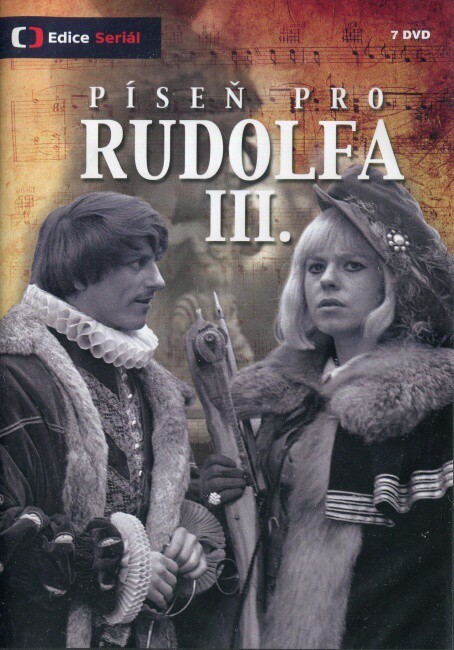 |
| zdroj: csfd.cz |
O existenci tohoto seriálu jsem navzdory jeho kulturní důležitosti dlouho nic nevěděla, dokud jsem nebyla poučená někým mnohem znalejším. I pak mi poměrně dlouho trvalo, než jsem si to konečně pustila, protože rámec seriálu mě příliš nelákal a vzhledem k faktu, že ČT střídavě má a nemá práva (teď konkrétně jim tam chybí tři díly), měla jsem aspoň výmluvu. Až do dnešního podzimu, kdy jsem si řekla, že přestanu ignorovat všechny resty a začnu tím, co mě straší nejvíc. Musela jsem si sice trochu dopomoct alternativními zdroji, ale nakonec jsem to viděla všechno.
Chvilku mi trvalo si v hlavě poskládat, jak chci tuhle recenzi pojmout, protože se dá říct, že zážitek ze seriálu mám dvojí. První čistě z vypravování, které mi předložil, a druhý ze vzdělání, které mi doplnil. Začnu seriálem jako takovým: jak jsem psala už výše, premisa, ač sama o sobě dobrá, mě moc nebrala (původně jsem si totiž kdovíproč myslela, že budou cestovat časem, a byla jsem opět zklamaná vlastními očekáváními) a hudební vložky mě často nudily. Naštěstí se dalo většinou poznat, jak moc je píseň do děje zapuštěná, a naučila jsem se proskakovat k relevantním částem. To zároveň udělalo trochu únosnější tu stopáž, která mé internetem zničené schopnosti soustředit se dávala docela zabrat.
Křeslo mě rychle vyvedlo z omylu, co se skutečného formátu seriálu týče, a hned zkraje mi naznačilo, že mě nejspíš budou víc bavit ty reálné scény mimo snění; Muž v redingotu mě tou snící částí taky moc nebral, ale realita byla výborná; Miss Diorling pro mě byla asi nejslabší epizodou, tam jsem se prostě nechytila, byť Rudolfovy rozhovory s učitelkou měly pár skvělých momentů; Albrecht z Valdštejna mě bavil v obou částech, protože Šárka a Jarda byli výborní puberťáci, a Loupež století jen potvrdila, že ti dva jsou pro mě nejsilnější částí seriálu (plus si cením, že Šárka byla ve snění v kvádru jako pánové a necpali jí žádnou femme fatale). Nebudu tvrdit, že mě to vyloženě nebavilo, protože to není pravda, ale nebylo to pro mě a nebýt okolností, za kterých seriál skončil, dost možná bych se s tím ještě prala.
Z té historické stránky mi ale naopak běhal mráz po zádech. Neměla jsem tušení, že Modlitba pro Martu byla napsaná pro tento seriál a že odtud pochází první oficiální natočená verze, což pro mě celé věci dává úplně nový rozměr. Po úvodu k nenatočenému 6. dílu (Rudolf III. na dvoře Leonida I.) z roku 1990 mi zůstal knedlík v krku, a to hlavně z viditelného pohnutí Ivy Janžurové; Hrabě Monte Christo obvykle není moje téma, ale výborně to vytěžili, a zápletka s dědou byla absolutně fantastická; a Dinosaurus byl neuvěřitelný vizuálně, čekala jsem leccos, ale ne tu loutku draka z pohádky o tom, jak mu kradli boty, málem jsem odpadla. Ačkoliv si cením péče, jakou vynaložili na to, aby zrekonstruovali původní zážitek, přiznám se, že dabing mi neseděl. Herci se snažili, ale s výjimkou Jarmily jsem si na ně nezvykla.
Jak jsem psala výš, světlým bodem seriálu pro mě byli Iva Janžurová (Šárka Vandasová) a Jiří Hrzán (Jarda Vaněk), oba herci už tehdy měli neskutečný komediální talent a dokonale si nahrávali (nakonec jen o pár let mladší Drahé tety a já jsou pořád jednou z mých nejoblíbenějších komedií). Jediné, čemu nerozumím, je proč měli být tak mladí, zápletky by fungovaly, i kdyby jim bylo osmnáct/devatenáct, a vypadalo by to mnohem líp, protože oba herci rozhodně vypadali na svůj věk. Další výbornou postavou byla slečna Blanka (Stella Zázvorková), Stella Zázvorková proměnila každou scénu ve zlato.
Ústřední Rudolf III. (Darek Vostřel) a jeho manželka Jarmila (Lída Vostrčilová) byli zahraní skvěle, ale měli tu typickou českou dynamiku hlavy rodiny a krku, který jí otáčí, a tu nemůžu vystát. Fakt, že maminka byla úzkostlivá puťka, tomu ještě přikládal pod kotel. Jediné plus jejich dynamiky byl Rudolfův tchán, „dědek“ Večeřa (Miroslav Homola), čistě protože to tentokrát nebyla tchyně, a jejich scény byly do jedné výborné.
Celkově je pro mě Píseň pro Rudolfa III. spíš historický dokument než televizní seriál a jsem mu vděčná za skvělý vzdělávací zážitek. Koncepčně je zajímavý, a to od premisy až k faktu, že začal jako jukebox muzikál a skončil jako klasický muzikál, ale provedení se úplně netrefilo do mých očekávání a některé aspekty jsou rozhodně produktem doby, a ne nutně v tom vzdělávacím smyslu.
Jsem ale nesmírně vděčná všem, co se podíleli tvorbě seriálu i během okupace a zaplatili za něj kariérou, a taky všem, kteří ho pomohli zkompletovat do současné podoby. Pro mě to možná srdcovka není, ale status kultu jí rozhodně upřít nemůžu.
Chvilku mi trvalo si v hlavě poskládat, jak chci tuhle recenzi pojmout, protože se dá říct, že zážitek ze seriálu mám dvojí. První čistě z vypravování, které mi předložil, a druhý ze vzdělání, které mi doplnil. Začnu seriálem jako takovým: jak jsem psala už výše, premisa, ač sama o sobě dobrá, mě moc nebrala (původně jsem si totiž kdovíproč myslela, že budou cestovat časem, a byla jsem opět zklamaná vlastními očekáváními) a hudební vložky mě často nudily. Naštěstí se dalo většinou poznat, jak moc je píseň do děje zapuštěná, a naučila jsem se proskakovat k relevantním částem. To zároveň udělalo trochu únosnější tu stopáž, která mé internetem zničené schopnosti soustředit se dávala docela zabrat.
Křeslo mě rychle vyvedlo z omylu, co se skutečného formátu seriálu týče, a hned zkraje mi naznačilo, že mě nejspíš budou víc bavit ty reálné scény mimo snění; Muž v redingotu mě tou snící částí taky moc nebral, ale realita byla výborná; Miss Diorling pro mě byla asi nejslabší epizodou, tam jsem se prostě nechytila, byť Rudolfovy rozhovory s učitelkou měly pár skvělých momentů; Albrecht z Valdštejna mě bavil v obou částech, protože Šárka a Jarda byli výborní puberťáci, a Loupež století jen potvrdila, že ti dva jsou pro mě nejsilnější částí seriálu (plus si cením, že Šárka byla ve snění v kvádru jako pánové a necpali jí žádnou femme fatale). Nebudu tvrdit, že mě to vyloženě nebavilo, protože to není pravda, ale nebylo to pro mě a nebýt okolností, za kterých seriál skončil, dost možná bych se s tím ještě prala.
Z té historické stránky mi ale naopak běhal mráz po zádech. Neměla jsem tušení, že Modlitba pro Martu byla napsaná pro tento seriál a že odtud pochází první oficiální natočená verze, což pro mě celé věci dává úplně nový rozměr. Po úvodu k nenatočenému 6. dílu (Rudolf III. na dvoře Leonida I.) z roku 1990 mi zůstal knedlík v krku, a to hlavně z viditelného pohnutí Ivy Janžurové; Hrabě Monte Christo obvykle není moje téma, ale výborně to vytěžili, a zápletka s dědou byla absolutně fantastická; a Dinosaurus byl neuvěřitelný vizuálně, čekala jsem leccos, ale ne tu loutku draka z pohádky o tom, jak mu kradli boty, málem jsem odpadla. Ačkoliv si cením péče, jakou vynaložili na to, aby zrekonstruovali původní zážitek, přiznám se, že dabing mi neseděl. Herci se snažili, ale s výjimkou Jarmily jsem si na ně nezvykla.
Jak jsem psala výš, světlým bodem seriálu pro mě byli Iva Janžurová (Šárka Vandasová) a Jiří Hrzán (Jarda Vaněk), oba herci už tehdy měli neskutečný komediální talent a dokonale si nahrávali (nakonec jen o pár let mladší Drahé tety a já jsou pořád jednou z mých nejoblíbenějších komedií). Jediné, čemu nerozumím, je proč měli být tak mladí, zápletky by fungovaly, i kdyby jim bylo osmnáct/devatenáct, a vypadalo by to mnohem líp, protože oba herci rozhodně vypadali na svůj věk. Další výbornou postavou byla slečna Blanka (Stella Zázvorková), Stella Zázvorková proměnila každou scénu ve zlato.
Ústřední Rudolf III. (Darek Vostřel) a jeho manželka Jarmila (Lída Vostrčilová) byli zahraní skvěle, ale měli tu typickou českou dynamiku hlavy rodiny a krku, který jí otáčí, a tu nemůžu vystát. Fakt, že maminka byla úzkostlivá puťka, tomu ještě přikládal pod kotel. Jediné plus jejich dynamiky byl Rudolfův tchán, „dědek“ Večeřa (Miroslav Homola), čistě protože to tentokrát nebyla tchyně, a jejich scény byly do jedné výborné.
Celkově je pro mě Píseň pro Rudolfa III. spíš historický dokument než televizní seriál a jsem mu vděčná za skvělý vzdělávací zážitek. Koncepčně je zajímavý, a to od premisy až k faktu, že začal jako jukebox muzikál a skončil jako klasický muzikál, ale provedení se úplně netrefilo do mých očekávání a některé aspekty jsou rozhodně produktem doby, a ne nutně v tom vzdělávacím smyslu.
Jsem ale nesmírně vděčná všem, co se podíleli tvorbě seriálu i během okupace a zaplatili za něj kariérou, a taky všem, kteří ho pomohli zkompletovat do současné podoby. Pro mě to možná srdcovka není, ale status kultu jí rozhodně upřít nemůžu.